
The Disappearance of Ben McDaniel
A mystery, indeed...

On August 18, 2010, Ben McDaniel, a 30-year-old scuba diver, was last seen diving in the renowned underwater cave at Vortex Springs, located in the serene town of Ponce de Leon, Florida. The story of Ben is not just one of a passionate diver but also a reflection of the struggles he faced in life leading up to that fateful day.
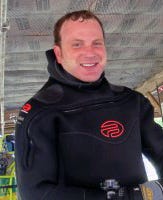
Born on April 15, 1980, in Memphis, Tennessee, Ben was the eldest of three sons in the McDaniel family. Growing up, he developed a love for the water and scuba diving, a passion he discovered at the age of 15. His early experiences diving in his family's swimming pool and at the beach house in Santa Rosa Beach laid the foundation for his aquatic pursuits. Unfortunately, life took a turn for the worse for Ben after a series of personal and financial challenges.
Prior to his disappearance, Ben was navigating turbulent waters. He had recently gone through a painful divorce that left him emotionally drained, and his construction business had collapsed, leaving him grappling with substantial debts, including approximately $50,000 in back taxes owed to the state of Tennessee and the IRS. To compound this, Ben had a criminal history that included drug-related charges. In 2008, Ben's younger brother Paul tragically passed away at the age of 22. While his death was initially attributed to a stroke, an autopsy later revealed that it was due to a drug overdose. This loss weighed heavily on the family and undoubtedly added further strain to Ben.
In an attempt to support their son during such trying times, Ben's parents, who were fortunate to be financially stable, suggested he take a break from his troubles. They generously offered to maintain his financial support. At the same time, he resided in their beach home, providing him the opportunity for reflection and recovery as he lived alongside his beloved chocolate Labrador.
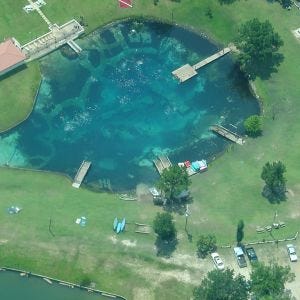
By April 2010, Ben had made the move to Santa Rosa Beach, immersing himself in a new environment. It was here that he sought solace in scuba diving, frequently visiting Vortex Springs, approximately an hour's drive from his home. This site, known for its stunning cold freshwater springs and welcoming atmosphere for divers, quickly became a haven for him. The largest diving facility in Florida, Vortex Springs offers instruction for divers of all levels, with a strong emphasis on safety. However, the spring is home to a complex underwater cave system that has drawn both professional and recreational divers.
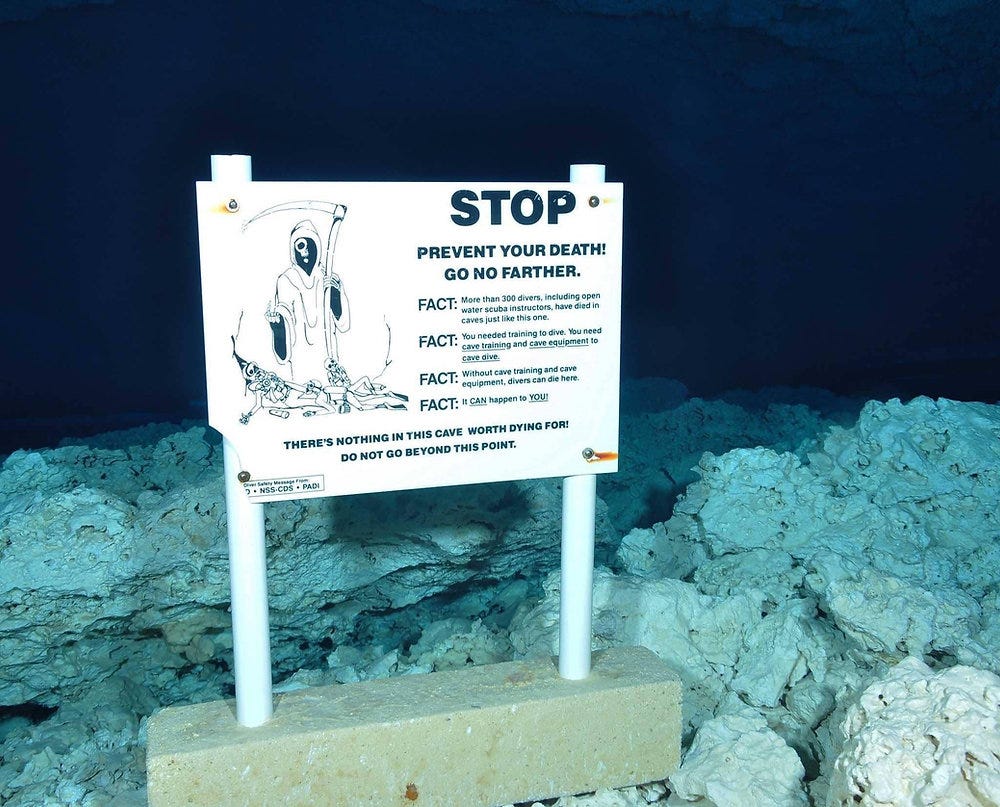
The cave's entrance is marked with a foreboding warning sign, illustrating the potential dangers that can arise beneath the surface. While it can be an alluring challenge for experienced divers, the cave is infamous for its numerous hazards, which have led to several tragic accidents. Indeed, in the early 1990s, the cave was the site of 13 fatalities among divers, prompting the state to consider banning diving in those perilous waters altogether. In response, local diving communities advocated for enhanced safety measures, including the establishment of a cave diving certification that requires extensive training. Ben was certified and aware of the risks involved. However, his unresolved personal issues may have influenced his decision-making on that fateful day.
Understanding the unique environment of Vortex Spring is crucial. The site boasts a cave system with over 1,600 feet of mapped underwater passage, reaching a depth of 310 feet. The cave, however, presents real dangers; narrow passages, some as tight as 10 inches, require divers to maneuver through with great care, often necessitating the removal of their equipment to navigate safely. Given these risks, Vortex Spring has instituted strict safety measures, which include a locked underwater gate to prevent untrained divers from accessing the dangerous sections of the cave.
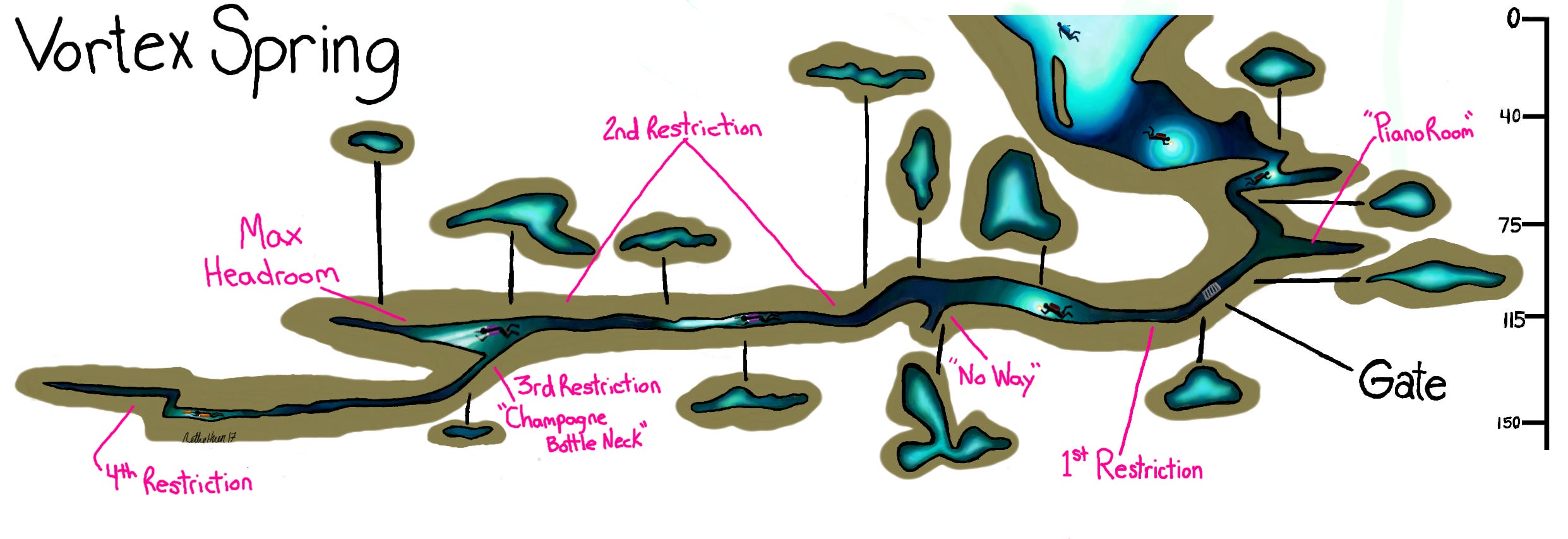
As a measure of regulation, only divers holding valid cave diving certificates can pass through the locked gate—a rule that ultimately Ben did not comply with. Despite being knowledgeable about diving and having the right equipment, he sometimes exhibited an overconfidence in his abilities, as noted by staff members. This confidence, coupled with his preference for diving alone, created a dangerous combination. His father, Shelby McDaniel, once remarked on a blog how Ben often struggled to find a dive partner, believing strongly in his independence and skill.
On the day of his disappearance, Ben undertook a routine dive, with witnesses noting his activities throughout the day. He was seen studying the entrance of the cave and documenting his dive. However, the latter part of the day marked a turning point. As dusk approached, Ben's decision to descend into the cave—past the warning signs—would seal his fate.
Eduardo Taran and Chuck Cronin, two Vortex Spring employees, encountered Ben as he prepared to enter the cave system. Knowing he lacked the necessary certification, they watched him approach the locked gate. Rather than insisting he turn back, they unlocked the gate, allowing him to venture inside.
The following morning, when Ben’s truck remained in the parking lot, concern began to grow. Despite the busy atmosphere of summer visitors flocking to the site, Taran eventually called the authorities when they could not locate Ben. In his truck, police found a series of personal items, including a significant sum of cash, his diving equipment, and notes that hinted at his adventurous spirit. Even his dog was left at the beach house—an indicator that this was not a planned absence.
Initial investigations led police to hypothesize that Ben might have drowned in the cave’s depths. Cadaver dogs, trained to identify human remains, indicated possible scent activity on the water's surface, lending support to this theory. Unfortunately, the idea that he may have perished during a dive only compounded the sorrow for his family and the diving community.
As word of Ben’s disappearance spread, fellow cave divers mobilized to assist in what they believed would be a recovery operation. Understanding the dangers involved, they still felt compelled to search—some risking their own safety to navigate the perilous labyrinth of the cave in hopes of bringing closure to Ben’s loved ones. Many divers meticulously combed through the cave’s dark and narrow crevices, a daunting task that tested both their skills and bravery. Sadly, despite their unwavering determination, Ben was not found.
In a significant but troubling discovery, two air tanks were located near the entrance of the cave believed to belong to Ben. This discovery raised several questions among searchers and investigators. Typically, experienced cave divers place extra tanks at strategic points along their route, allowing them a safe return to the entrance without having to backtrack. The location of Ben’s tanks, coupled with the startling revelation that they contained regular air—rather than the specialized gas mixtures necessary for cave diving—suggested a different narrative than the one initially presumed. His parents had described him as an aspiring cave diver, prepared for the complexities of such an underwater environment, which made this inconsistency troubling for those involved in the search.
Authorities conducted a thorough investigation into the possibility of foul play. However, they found no evidence, means, or motive to suggest that anyone else was involved in Ben's disappearance. This lack of definitive answers only deepened the heartache felt by his family and friends.
Months passed without any concrete leads, leaving the community in a state of deep mourning and uncertainty. Experienced divers, including Edd Sorenson—renowned for his extensive knowledge of the cave systems—voiced their concerns over the practicality of Ben’s survival. Sorenson noted that navigating through the cave’s narrowest restrictions would have been impossible for Ben, an untrained diver, given his size and the physical challenges involved. He emphasized that the areas he explored showed no signs of disturbance, reinforcing the unsettling reality that Ben had likely not passed through those sections.
Ben McDaniel's case highlights the dangers of cave diving and the unexpected tragedies that can happen during exploration and adventure. For his family, friends, and fellow divers, the void left by his absence is a deep source of grief, emphasizing the importance of safety and preparation in such risky activities.
Initial theories about Ben's fate ranged widely. Was he murdered? Did he intentionally disappear? Or had he faked his own death? Some even speculated that, tragically, his body had been found and subsequently hidden to avoid the repercussions of a diving accident. Despite extensive searches involving cadaver dogs, helicopters, and water tests, the absence of significant findings only deepened the mystery. The disappointing results, which indicated no significant increase in bacteria that could suggest the presence of decomposed remains, only fueled the public's thirst for answers.
Taran, who had allowed Ben into the cave despite his lack of certification, passed a lie-detector test regarding his involvement. Yet this revelation wasn't entirely comforting, as tensions among divers began to rise. The McDaniels family, motivated by love and desperation, offered a $10,000 reward to anyone brave enough to search the unexplored areas of the cave for their son. While their intentions were undoubtedly rooted in a profound sense of loss, this decision was met with frustration and concern from the diving community, fearing it would encourage untrained divers to take unnecessary risks.
Tragically, this fear was substantiated in March 2012 when Larry Higginbotham, a diver from Biloxi, Mississippi, lost his life in Vortex Spring just days before a documentary on Ben's case aired. Recovery efforts revealed that he had succumbed during a dive, an event that served as a stark reminder of the dangers submerged in these waters. Following this tragedy, the McDaniels family rescinded their reward offer, recognizing that the pursuit of their son could potentially jeopardize others.
By this pivotal moment, the family shifted their focus to alternate possibilities surrounding Ben's disappearance. They began to entertain the notion that if he hadn’t perished in the water, he could have fallen victim to foul play. A private investigator, Lynn-Marie Carty, was recruited, and she uncovered troubling details about individuals associated with Vortex Spring, including its owner, Lowell Kelly, who faced legal difficulties shortly before his unexpected death.
In an alarming event, Kelly was accused of confronting a temporary employee who he claimed owed him a significant sum of money. The incident escalated to a worrisome confrontation in a secluded wooded area, where it was alleged that Kelly attempted to assault the employee with a baseball bat. Fortunately, the employee managed to escape, leading to charges of assault and kidnapping against Kelly.
In 2011, Kelly pled no contest to these charges, a decision born out of an understanding of the gravity of his actions. The court imposed a sentence of seven years of probation, reflecting the seriousness of the crime, yet the reality of his situation became even more profound just a short time later.
In December of that year, during a chili cook-off hosted at Vortex Spring, Kelly suffered a significant fall down the stairs, injuring his head. This incident marked a tragic turning point in his life. A caring friend was present, assisting him by providing support and comfort in the aftermath of the fall, taking him to his home in Ponce de Leon. After helping him clean up and settle, that friend covered Kelly with a blanket, intending for him to rest peacefully in the bathtub.
Tragically, the following morning revealed a stark change in Kelly's condition. A different individual who came to visit discovered that he had deteriorated overnight. Emergency medical services were quickly summoned and transported him to a hospital in Pensacola, where doctors worked tirelessly to stabilize him. Despite their efforts, Kelly remained in a comatose state, leading to a heart-wrenching transfer to hospice care when it became clear that his prognosis was grim. Kelly passed away shortly thereafter.
The Holmes County Sheriff's Office, which has been at the forefront of the investigation into Kelly's injury and untimely demise, has indicated that not all the information surrounding the events of that fateful night has been disclosed. This situation has given rise to lingering doubts and concerns among residents, especially among those who were close to Kelly.
The sheriff's office has refrained from naming the individuals who played a role in taking Kelly home and finding him the following day, which only adds to the community's uncertainty. While law enforcement must navigate complex investigations, it is disheartening for loved ones to feel perpetually in the dark during such trying times.
Compounding this situation, the refusal to release the autopsy report—despite it being a public record under Florida's sunshine laws—has heightened speculation. The sheriff's office has stated that releasing the report could compromise ongoing investigations. For friends and family, such decisions can feel like additional barriers to understanding the circumstances that led to Kelly's death, fueling theories and fear within the community.
One particularly troubling theory suggests that Kelly may have had knowledge regarding the disappearance of Ben McDaniel, possibly implicating him in a more sinister scenario involving Kelly’s death. This line of speculation, while indeed alarming, reflects the heightened emotions and fears of a community grappling with unresolved loss and unanswered questions.
Witness accounts suggest that foul play may be a factor in Ben’s disappearance. Lowell Kelly actually reported an unsettling encounter with a man he described as "wild-eyed" and seemingly intoxicated, who inquired whether it was too late to dive. While this individual may or may not have been directly connected to Ben’s case, the incident raises troubling questions about potential involvement. Compounding this sense of unease were reports of an earlier confrontation that day involving another diver and a group of teenagers, who were asked to leave the property due to their drinking. The possibility that these young individuals might have returned seeking revenge looms large, further deepening the shadows of doubt surrounding Ben's vanishing act.
In contrast to these dark narratives, the diving community attempted to lend insight and compassion to the situation through the work of Jill Heinerth, a renowned Canadian diver. Heinerth, alongside her husband Robert McClellan, initially sought to create a short video to educate the McDaniel family about the hazards of cave diving. However, as they delved deeper into the research process, including analyzing Ben’s dive logs and mapping his route, Heinerth found herself compelled to consider the alarming possibility that Ben may have indeed ventured far into the cave system. This realization led her to express a profound shift in her initial belief, now pondering the strong likelihood that Ben could be within the cave’s confines—a perspective echoed in her communication with the media.
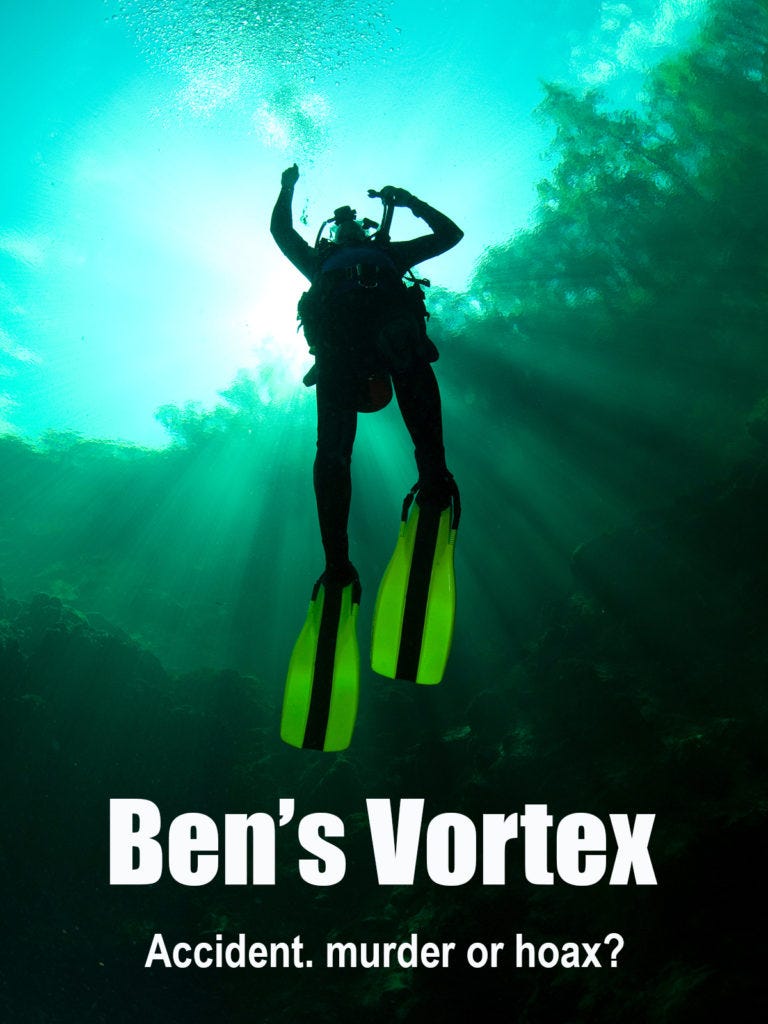
Their project evolved into a feature-length documentary titled “Ben's Vortex”, released in 2012. This film compassionately examines various theories regarding Ben’s disappearance, acknowledging the spectrum of possibilities: an accident, foul play, or even Ben opting for a staged disappearance to escape from the pressures of life. McClellan shared a personal interpretation, suggesting that Ben may have experienced a psychotic break and sought to reinvent himself away from the life that weighed heavily upon him. This theory is not uncommon in discussions surrounding individuals who feel overwhelmed by circumstances.
One theory suggested that perhaps Ben had ventured too deep, lured by the thrill, only to be ensnared by panic and the crushing embrace of the water. It’s a thought that sends shivers down the spine, the idea of a man, once so spirited, fighting against the abyss that engulfed him, his heart a frantic rhythm against the calm of the cave’s depths. Yet, with every search that turned up empty, the notion of his body resting somewhere in the depths waned, leaving behind only questions haunting the hearts of those he’d left behind.
Another thread in this thorny tapestry suggested a darker possibility. What if someone had been involved in his demise? The whispers of a cover-up coiled around Lowell Kelly, the cave's owner, like the tendrils of smoke in a dimly lit room. Was it a desperate act of self-preservation, a choice made in the shadows to shield the weight of liability and public scrutiny? The silent screams of Ben's family grow louder with every conjecture, yearning for closure and understanding in a narrative shrouded in uncertainty.
Then, the dreadful shadow of despair loomed, suggesting that perhaps it was Ben himself who sought to escape the world. The peculiar combination of medications he was prescribed painted a troubling portrait of a young man battling unseen demons. Anxieties masked by a façade, leaving those who loved him bewildered and heartbroken. They believed he was on the verge of new horizons, his spirit reigniting with hopes bright as dawn. Yet, the questions echoed relentlessly: how could such a vibrant soul vanish without a whisper of warning?
And amid the chaos of theories, a desperate yet far-fetched suggestion lingered: perhaps Ben had orchestrated his own disappearance, vanishing like smoke into the night. The romantic notion of starting anew is entangled with the sobering reality that such acts are woven with threads of complexity and expense that few could manage. For many, including Ben’s family, it felt bitterly ironic—a man so alive still captured in memory, slipping through the fingers of all who knew him, leaving behind only the ache of absence.
As the world spun, the question hung like a specter: What truly happened to Ben McDaniel? Each theory, no matter how twisted or fragile, bore a weight of grief, echoing the boundless love and loss his family faced. They stood on the edge of the unknown, yearning for answers to piece together the puzzle of a life that had been so vibrantly lived yet so painfully extinguished. And in their search, each theory became a thread connecting them to Ben and the hope that they might find him again one day somewhere amid the shadows.